

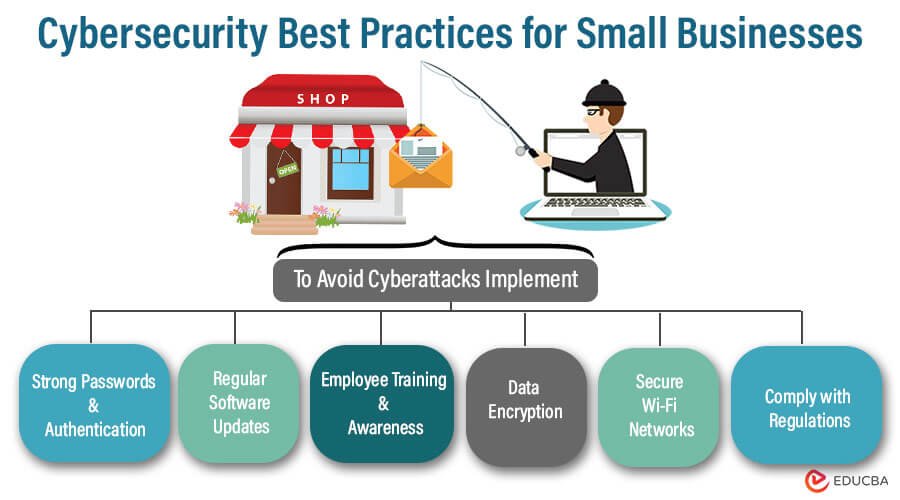
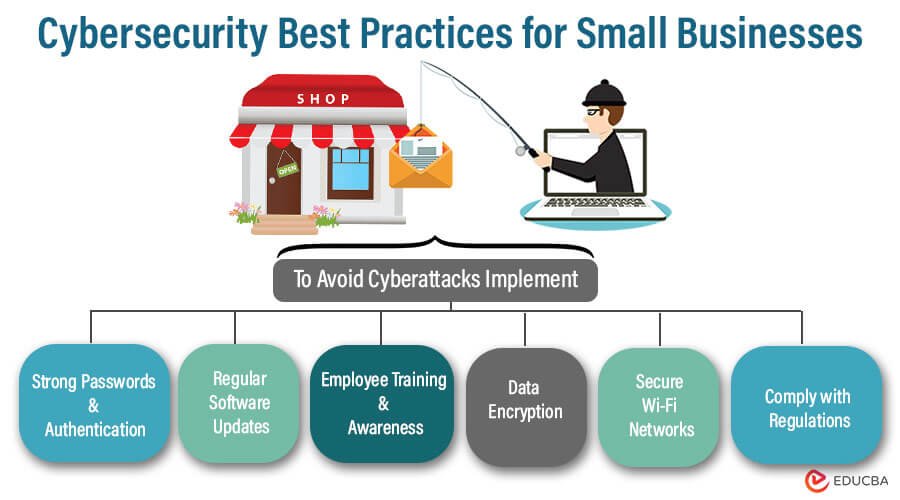
Introduction to Cybersecurity for Small Businesses
Cybersecurity for Small Businesses is more important than ever in today’s digital world. Small companies rely on online tools, cloud platforms, and connected devices to run daily operations. While technology improves efficiency, it also increases exposure to cyber threats. Hackers often target smaller organizations because they may have limited security resources and weaker defenses.
A single attack can lead to financial losses, damaged reputation, and stolen customer information. That’s why investing in network security, data security, cyber threat protection, and cybersecurity training is essential. By understanding modern risks and implementing smart security practices, small business owners can protect valuable assets, maintain customer trust, and support long-term business growth in 2026 and beyond.
Why Cybersecurity Is More Important Than Ever in 2026
Technology continues evolving at remarkable speed. Unfortunately, criminals adapt just as quickly. New attack methods use automation, artificial intelligence, and advanced deception tactics. This shift makes cyber threat protection more important than ever. Small organizations can no longer assume hackers only target large corporations.
Recent studies show that small companies experience thousands of attacks every day. These incidents often result in stolen customer information, interrupted operations, and financial losses. Effective cyber attack prevention creates a stronger foundation that protects both business assets and customer confidence.
How Cyber Threats Are Evolving for Small Businesses
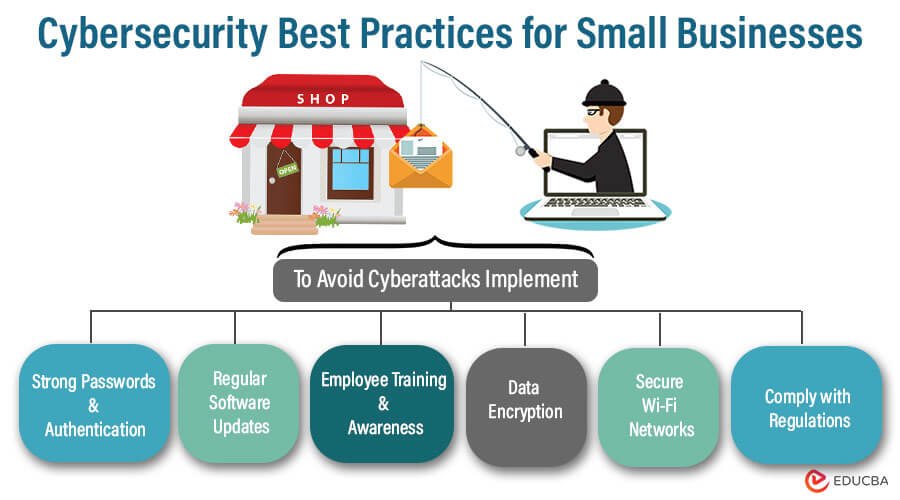
Cybercrime has become more sophisticated. Criminals use fake emails, malicious websites, and automated tools to gain access to company systems. Many attacks begin with simple mistakes made by employees. Because of this trend, modern network security requires more than traditional antivirus programs.
Attackers now focus on cloud services, remote workers, and connected devices. Businesses must continuously improve their defenses to address changing threats. Strong data security practices help organizations identify vulnerabilities before criminals exploit them.
What You Will Learn in This Guide
This guide explains how businesses can reduce cyber risks in practical ways. You will learn how to improve data breach prevention, strengthen employee awareness, secure customer information, and respond effectively to incidents. The goal is simple. Help your company stay safe in an increasingly connected environment.
What Is Cybersecurity for Small Businesses and Why Does It Matter?
Cybersecurity refers to the methods, technologies, and processes used to protect business systems from digital threats. Cybersecurity for small businesses focuses on defending company networks, devices, applications, and sensitive information. Even a small organization stores valuable data that criminals want to access.
Strong protection reduces financial losses and operational disruptions. It also improves customer trust. Companies that prioritize ransomware protection and security planning often recover faster from unexpected incidents while maintaining stronger business relationships.
Understanding Small Business Cybersecurity
Small business cybersecurity includes several layers of protection. These layers secure devices, employee accounts, online services, and business records. Effective security combines technology with employee education. Both are equally important for reducing risk.
Modern organizations must implement reliable controls that protect against phishing attacks, malware infections, and unauthorized access. Consistent monitoring helps identify suspicious activity before it becomes a serious problem.
Why Small Businesses Are Prime Targets for Cybercriminals
Many owners assume criminals only pursue large corporations. In reality, smaller organizations frequently become attractive targets because they often invest less in security. Attackers search for weak passwords, outdated software, and poor security practices.
Hackers know that many businesses lack advanced defenses. This creates opportunities for malware protection failures and unauthorized access. As a result, smaller companies often face significant risks despite their size.
The Real Cost of a Cyberattack
A cyberattack can affect every part of a company. Businesses may lose revenue, customer trust, and operational efficiency. Some organizations spend months recovering from a major incident. The financial impact can be devastating.
Beyond direct losses, attacks damage reputation. Customers expect businesses to protect their information. Investing in endpoint security and proactive planning often costs far less than recovering from a serious breach.
Top Cybersecurity Threats Facing Small Businesses in 2026
Cyber threats continue expanding each year. Understanding the most common dangers helps organizations prepare effective defenses. Awareness is often the first step toward stronger protection.
Companies that understand current risks can improve decision-making and allocate resources more effectively. This approach strengthens overall cybersecurity training efforts and supports long-term resilience.
Phishing and Social Engineering Attacks
Phishing remains one of the most successful attack methods. Criminals create convincing emails that appear legitimate. Employees may unknowingly click dangerous links or reveal sensitive information.
Strong security awareness programs teach workers how to identify suspicious messages. Regular training significantly reduces the likelihood of successful phishing attempts.
Ransomware Threats
Ransomware encrypts business files and demands payment for restoration. These attacks can halt operations within minutes. Some organizations lose access to critical systems for days or weeks.
Businesses should combine backups, employee education, and multi-factor authentication to reduce ransomware risks. Preventive measures remain the most effective defense.
Malware and Spyware Risks
Malware includes harmful software designed to damage systems or steal information. Spyware secretly collects sensitive data without user knowledge. Both threats can compromise business operations.
Reliable cybersecurity software helps identify malicious activity before serious damage occurs. Regular scanning and monitoring strengthen overall protection.
Insider Threats and Human Error
Not every security incident originates outside the organization. Employees sometimes make mistakes that expose sensitive information. In other cases, insiders intentionally misuse access privileges.
Organizations should implement clear policies and modern cybersecurity tools to limit unnecessary access and monitor suspicious behavior.
Essential Cybersecurity Measures Every Small Business Should Implement
Every company needs a security foundation that protects systems and sensitive information. Effective Cybersecurity for Small Businesses starts with preventive actions rather than emergency responses. Businesses that invest in protection early often avoid expensive incidents later. Strong security controls create a safer environment for employees, customers, and business partners.
Security should never rely on a single tool. A layered approach works best. Combining cybersecurity best practices, employee education, modern software, and continuous monitoring creates stronger defenses against evolving threats. Small improvements today can prevent major problems tomorrow.
Strong Password Policies and MFA
Weak passwords remain one of the biggest security risks. Many attacks succeed because employees reuse simple passwords across multiple accounts. Businesses should enforce strong passwords and implement password management systems that generate secure credentials. This approach reduces the chance of unauthorized access.
Adding multi-factor authentication creates another layer of protection. Even if criminals steal a password, they still need additional verification. Strong authentication significantly improves overall user authentication and supports effective identity management practices.
Firewall and Network Security
A firewall acts as the first line of defense between internal systems and outside threats. Proper firewall security helps block suspicious traffic before it reaches company devices. Every business should configure and regularly update firewall settings.
Strong network security also includes secure routers, segmented networks, and regular monitoring. Businesses should strengthen business network protection and maintain reliable Wi-Fi security to prevent unauthorized access to company resources.
Endpoint Protection and Antivirus Software
Every laptop, smartphone, and workstation connected to a network creates a potential entry point for attackers. Effective endpoint protection helps secure these devices against malware and unauthorized access. Businesses should monitor all endpoints regularly.
Reliable antivirus software and advanced anti-malware protection help detect harmful programs before they cause damage. Modern solutions provide real-time scanning, automated updates, and enhanced endpoint security capabilities.
Secure Cloud Storage and Backups
Cloud platforms offer flexibility and convenience. However, organizations must secure these environments carefully. Proper secure cloud storage practices help protect sensitive information from unauthorized access and accidental exposure.
Regular backups are equally important. Reliable data backup solutions ensure critical information remains available after system failures, ransomware incidents, or accidental deletion. Strong cloud security practices improve long-term business resilience.
Employee Cybersecurity Training and Awareness
Technology alone cannot stop every attack. Employees play a vital role in maintaining security. Organizations that invest in cybersecurity awareness programs often experience fewer incidents and faster threat detection.
Human behavior influences business security every day. Effective cybersecurity training helps workers recognize risks, report suspicious activity, and follow security procedures consistently. Education remains one of the most valuable security investments.
How Human Error Causes Security Breaches
Many cyber incidents begin with simple mistakes. Employees may click dangerous links, download infected files, or share confidential information accidentally. These errors create opportunities for attackers.
Businesses can reduce risks through regular employee security training, stronger access control policies, and practical exercises that reinforce security habits across the organization.
Security Awareness Programs
Awareness programs help employees understand current threats and proper security behavior. Regular training sessions keep security knowledge fresh and relevant. Workers learn how to identify risks before they become serious problems.
Organizations that prioritize security awareness often strengthen their overall small business security posture and improve compliance with internal security policies.
Recognizing Phishing Emails and Scams
Phishing continues to affect organizations of every size. Criminals design convincing messages that appear trustworthy. Employees must learn how to identify suspicious requests and unexpected attachments.
Regular simulations help workers recognize phishing email scams and other social engineering tactics. Better awareness improves online fraud prevention and strengthens overall business protection.
Protecting Business Data and Customer Information
Customer trust depends on strong security practices. Businesses collect payment details, personal records, and confidential information every day. Protecting this data should remain a top priority.
Effective business data protection strategies help organizations reduce risks while maintaining compliance with industry requirements. Strong safeguards also support long-term customer relationships.
Data Encryption Best Practices
Encryption converts sensitive information into unreadable code. Even if criminals access encrypted data, they cannot easily use it without proper keys. This technology remains a critical security control.
Businesses should apply data encryption to files, databases, cloud storage, and communication channels. Strong encryption supports better information security and protects valuable records.
Secure Data Storage Solutions
Organizations should store data only on trusted systems. Secure storage reduces exposure to theft, loss, and accidental disclosure. Cloud providers often offer advanced security features that improve protection.
Businesses should evaluate storage providers carefully and maintain strong data security controls across all environments to strengthen overall protection.
Preventing Data Loss and Unauthorized Access
Unauthorized access can damage customer trust and business operations. Strong monitoring helps organizations identify unusual behavior before significant harm occurs.
Businesses should implement customer data protection, enforce strict permissions, and maintain effective data breach prevention procedures to reduce security risks.
Cybersecurity Tools and Software for Small Businesses
The right tools make security management easier. Modern solutions automate many protective tasks while helping businesses detect threats more quickly. Technology cannot replace awareness, but it strengthens overall protection.
Organizations should evaluate security needs carefully before choosing products. Effective cybersecurity software and reliable cybersecurity tools support a stronger security posture.
Best Antivirus and Anti-Malware Solutions
Security software remains an essential defense. Modern antivirus products provide real-time monitoring, behavioral analysis, and threat detection capabilities. Businesses should choose solutions that update automatically.
Reliable malware protection, enhanced ransomware protection, and advanced scanning features help organizations defend against emerging threats.
Password Managers for Teams
Managing dozens of passwords manually creates unnecessary risks. Password managers generate strong credentials and store them securely. Teams can access accounts without sharing passwords through insecure methods.
Effective password management improves security while supporting operational efficiency. Businesses also strengthen overall digital security through centralized credential control.
Email Security and Spam Filtering Tools
Email remains a common attack vector. Criminals frequently use malicious messages to distribute malware and steal information. Strong protection helps reduce these risks significantly.
Organizations should implement advanced email security solutions and reliable spam filtering tools to identify suspicious communications before employees interact with them.
VPNs and Secure Remote Access
Remote work continues growing across many industries. Employees often access business systems from different locations and networks. Secure connections remain essential.
Strong VPN security helps protect data during transmission. Businesses supporting secure remote work should implement secure access controls and continuous monitoring to strengthen protection.
Creating a Small Business Cybersecurity Plan
Every business needs a clear security roadmap. Without a structured plan, companies often react to threats instead of preventing them. A strong Cybersecurity for Small Businesses strategy identifies risks, protects critical assets, and creates procedures for handling incidents. Planning ahead reduces confusion and helps organizations respond quickly during emergencies.
A cybersecurity plan should cover employees, devices, networks, software, and customer information. Businesses that regularly review their security posture improve cybersecurity management and strengthen overall protection. Regular assessments also help organizations adapt to changing threats and evolving business needs.
Risk Assessment and Security Audits
A risk assessment helps businesses identify vulnerabilities before criminals exploit them. Companies should evaluate networks, applications, devices, and employee practices. This process reveals weak areas that require immediate attention.
Regular cybersecurity risk assessment activities and detailed cybersecurity audit procedures help organizations improve defenses while supporting stronger cyber defense strategy initiatives.
Incident Response Planning
No security system can stop every attack. Businesses must prepare for incidents before they occur. A well-designed incident response plan outlines responsibilities, communication procedures, and recovery actions.
Organizations that create structured response plans recover faster after breaches. Effective planning improves cyber incident response capabilities and reduces downtime during security events.
Business Continuity and Disaster Recovery
Unexpected disruptions can affect operations for days or even weeks. Businesses should develop strategies that maintain essential services during emergencies. Reliable recovery procedures help minimize financial losses.
A strong business continuity planning framework combined with a reliable disaster recovery plan ensures organizations can restore operations quickly after cyber incidents or system failures.1. Why Cybersecurity Matters
Cybersecurity for Small Businesses is essential because modern companies depend heavily on digital systems. Without proper protection, sensitive information can fall into the wrong hands and create serious business problems.
Growing Cyber Threats
Cyber threats continue increasing every year. Cybersecurity for Small Businesses helps companies stay prepared against new attack methods used by hackers and cybercriminal groups.
Protecting Customer Data
Customers trust businesses with personal information. Cybersecurity for Small Businesses ensures that customer records remain secure and protected from unauthorized access.
Phishing Email Attacks
Phishing remains a major threat. Cybersecurity for Small Businesses includes training employees to recognize suspicious emails before they cause damage.
Ransomware Protection
Ransomware can lock important files and disrupt operations. Strong Cybersecurity for Small Businesses reduces the risk of becoming a victim of these attacks.
Password Security
Weak passwords create easy opportunities for hackers. Cybersecurity for Small Businesses encourages strong password policies and better account protection.
Multi-Factor Authentication
Adding extra login verification improves security. Cybersecurity for Small Businesses often relies on multi-factor authentication to prevent unauthorized access.
Employee Training
Employees play an important role in security. Cybersecurity for Small Businesses becomes stronger when workers understand common cyber risks.
. Network Security
Firewall Protection
Firewalls help block malicious traffic. Cybersecurity for Small Businesses benefits greatly from properly configured firewall systems.
Antivirus Software
Reliable antivirus software helps detect harmful programs. Cybersecurity for Small Businesses should always include updated antivirus protection.
Cloud Security
Many companies use cloud services daily. Cybersecurity for Small Businesses must include secure cloud storage and access controls.
Data Backup Solutions
Data loss can be costly. Cybersecurity for Small Businesses depends on regular backups to ensure important files remain recoverable.
Remote Work Security
Remote employees require additional protection. Cybersecurity for Small Businesses should address the risks associated with working from different locations.
Mobile Device Security
Smartphones and tablets often access company data. Cybersecurity for Small Businesses includes securing all mobile devices used for work.
Website Protection
Business websites face constant threats. Cybersecurity for Small Businesses helps prevent hacking attempts and website downtime.
Access Control
Not every employee needs access to every file. Cybersecurity for Small Businesses improves when organizations limit access permissions.
Data Encryption
Encryption protects sensitive information from unauthorized viewing. Cybersecurity for Small Businesses often uses encryption to safeguard valuable data.
Incident Response Planning
Preparation matters during a cyberattack. Cybersecurity for Small Businesses includes creating a clear response plan before incidents occur.
Compliance Requirements
Many industries have security regulations. Cybersecurity for Small Businesses helps organizations meet legal and compliance requirements.
AI-Powered Security
Artificial intelligence is transforming security operations. Cybersecurity for Small Businesses increasingly uses AI to identify threats faster.
Security Monitoring
Continuous monitoring helps detect suspicious activity. Cybersecurity for Small Businesses becomes more effective when threats are identified early.
Building Customer Trust
Customers prefer secure businesses. Cybersecurity for Small Businesses strengthens trust and improves brand reputation.
Reducing Financial Risks
Cyber incidents often lead to financial losses. Cybersecurity for Small Businesses helps reduce recovery costs and operational disruptions.
Long-Term Business Growth
A secure company can focus on growth with confidence. Cybersecurity for Small Businesses supports stability, customer confidence, and long-term success.6. Building Strong Password Habits
Creating secure passwords is one of the easiest ways to improve Cybersecurity for Small Businesses. Complex passwords make it harder for attackers to gain access to important accounts and business systems.
Using Multi-Factor Authentication
Adding an extra verification step improves security significantly. Cybersecurity for Small Businesses becomes stronger when employees use multi-factor authentication for critical accounts.
Securing Business Networks
Every company should protect its network from unauthorized access. Effective Cybersecurity for Small Businesses includes secure routers, firewalls, and proper network monitoring.
Keeping Software Updated
Outdated software often contains security vulnerabilities. Cybersecurity for Small Businesses depends on regular updates that fix weaknesses before attackers can exploit them.
Antivirus Protection
Malicious software can damage files and steal information. Reliable antivirus tools support Cybersecurity for Small Businesses by identifying threats before they spread.
Secure Cloud Storage
Many organizations store files online. Cybersecurity for Small Businesses requires secure cloud solutions that protect sensitive information from unauthorized access.
Regular Data Backups
Data loss can happen unexpectedly. Effective Cybersecurity for Small Businesses includes regular backups that help businesses recover quickly after an incident.
Protecting Remote Workers
Remote work creates new security challenges. Cybersecurity for Small Businesses should include secure access methods for employees working outside the office.
Mobile Device Security
Employees often use smartphones and tablets for work. Strong Cybersecurity for Small Businesses includes protecting these devices from cyber threats.
Website Security Measures
A business website can become a target for hackers. Proper Cybersecurity for Small Businesses helps prevent website attacks and protects customer information.
Managing Employee Access
Not every employee needs access to all company resources. Cybersecurity for Small Businesses improves when organizations control permissions carefully.
Data Encryption Benefits
Encryption protects information by making it unreadable to unauthorized users. Cybersecurity for Small Businesses often relies on encryption to safeguard sensitive data.
Creating an Incident Response Plan
Preparation helps businesses react quickly during a cyberattack. Effective Cybersecurity for Small Businesses includes a clear response plan for emergencies.
Meeting Compliance Requirements
Many industries have strict data protection regulations. Cybersecurity for Small Businesses helps organizations meet legal and compliance standards.
AI in Cybersecurity
Artificial intelligence helps identify threats faster than traditional methods. Modern Cybersecurity for Small Businesses increasingly uses AI-powered security tools.
Continuous Security Monitoring
Monitoring systems around the clock improves protection. Cybersecurity for Small Businesses benefits from early detection of suspicious activities.
Building Customer Confidence
Customers prefer companies that take security seriously. Strong Cybersecurity for Small Businesses helps build trust and strengthen brand reputation.
Reducing Financial Losses
Cyberattacks can create significant expenses. Investing in Cybersecurity for Small Businesses helps reduce recovery costs and business disruptions.
Supporting Long-Term Growth
Security and growth go hand in hand. Effective Cybersecurity for Small Businesses allows organizations to focus on innovation while keeping their digital assets protected.
How to Respond to a Cyberattack or Data Breach
Even the most secure organizations may experience incidents. The key difference lies in how quickly they respond. Fast action limits damage and improves recovery outcomes. Businesses should establish clear procedures before an attack occurs.
Effective response strategies reduce financial losses and protect customer trust. Organizations that prepare in advance often recover more efficiently than those that rely on improvised decisions.
Immediate Steps After a Security Incident
The first priority is containing the threat. Businesses should isolate affected systems and prevent attackers from moving through the network. Early containment reduces additional damage.
Security teams should activate their response procedures immediately. Strong security monitoring tools and advanced threat intelligence help identify the source and scope of the incident.
Notifying Customers and Authorities
Transparency plays an important role after a data breach. Businesses may need to notify customers, regulators, and legal authorities depending on the nature of the incident.
Prompt communication demonstrates responsibility and supports regulatory compliance requirements. Honest updates help preserve customer confidence during difficult situations.
Recovering Systems and Restoring Operations
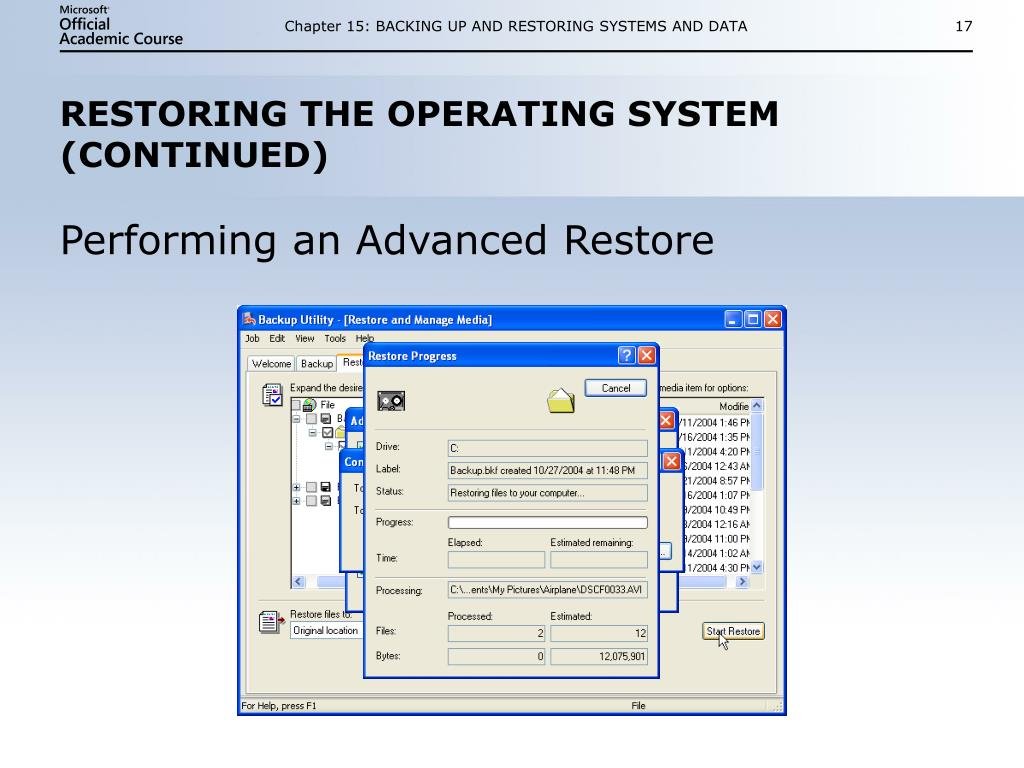
Recovery involves repairing systems, restoring backups, and strengthening security controls. Organizations should investigate the root cause before returning systems to normal operation.
Reliable backups, strong website security, and effective cyber defense tools help accelerate recovery while reducing the risk of repeat incidents.
Cybersecurity Compliance and Legal Requirements for Small Businesses
Regulations continue evolving as governments respond to growing cyber threats. Small businesses must understand applicable legal requirements to avoid penalties and maintain customer trust.
Compliance efforts should become part of everyday operations. Organizations that prioritize security and documentation often achieve stronger protection while reducing legal risks.
Data Privacy Laws in the United States
Many industries must comply with privacy regulations that govern how customer information is collected and stored. Businesses should understand federal and state-level requirements.
Strong customer data protection measures support compliance efforts while improving public trust and reducing potential liability.
Industry-Specific Security Regulations
Different sectors face unique security requirements. Healthcare, finance, and e-commerce businesses often follow stricter standards due to the sensitivity of their data.
Organizations should align security programs with relevant cyber security compliance obligations and industry best practices.
Avoiding Legal and Financial Penalties
Failure to protect customer information can result in significant fines and legal consequences. Businesses must maintain accurate records and implement appropriate safeguards.
Regular reviews, proper documentation, and strong security policies help organizations reduce compliance risks while strengthening operational security.
AI, Automation, and the Future of Cybersecurity for Small Businesses
Technology continues changing the cybersecurity landscape. Modern businesses now face threats that move faster and become more sophisticated each year. As a result, Cybersecurity for Small Businesses increasingly depends on intelligent tools that can detect and respond to threats in real time. Artificial intelligence helps organizations identify unusual activity before significant damage occurs.
Small businesses no longer need enterprise-sized budgets to access advanced protection. Modern security platforms automate many repetitive tasks and improve efficiency. This shift allows organizations to strengthen AI cybersecurity programs while reducing the burden on internal teams.
AI-Powered Threat Detection
Artificial intelligence can analyze large amounts of security data within seconds. Traditional methods often miss subtle warning signs. AI systems identify suspicious behavior patterns that humans may overlook.
Advanced threat detection capabilities help businesses stop attacks earlier. These systems improve cybersecurity monitoring by continuously scanning networks, devices, and applications for unusual activity.
Automated Security Monitoring
Security monitoring once required dedicated teams working around the clock. Today, automation handles many routine tasks. Businesses receive alerts when suspicious behavior appears.
Automated security monitoring tools improve visibility while reducing response times. Organizations gain stronger protection without significantly increasing operational costs.
Emerging Cybersecurity Trends for 2026
The cybersecurity industry continues evolving rapidly. Businesses now focus on zero-trust architectures, advanced authentication systems, and AI-driven protection strategies. Remote work and cloud adoption continue influencing security priorities.
Experts predict that cybersecurity trends 2026 will emphasize automation, stronger identity verification, and proactive defense models. Companies that adapt early often gain a significant advantage.
Common Cybersecurity Mistakes Small Businesses Must Avoid
Many security incidents occur because organizations overlook basic protective measures. Even small mistakes can create major vulnerabilities. Businesses should focus on building consistent habits that strengthen protection over time.
Avoiding common mistakes improves overall security while reducing operational risks. Strong preventive measures remain far more effective than recovering after an attack.
Weak Password Practices
Weak passwords continue causing security breaches worldwide. Employees often choose simple credentials that criminals can guess easily. Reusing passwords across multiple accounts increases risk even further.
Businesses should enforce strong passwords, implement password management systems, and require multi-factor authentication to improve account security.
Ignoring Software Updates
Outdated software creates opportunities for attackers. Many cyber incidents exploit known vulnerabilities that vendors have already fixed through updates.
Regular software updates and timely security patches help organizations close security gaps before attackers can exploit them.
Lack of Employee Training
Technology alone cannot stop human mistakes. Employees frequently become the first target during phishing and social engineering attacks.
Consistent cybersecurity training, ongoing cybersecurity awareness, and practical simulations help employees recognize and avoid common threats.
Poor Backup Management
Backups serve as a safety net during ransomware attacks and system failures. Unfortunately, many businesses fail to test their backups regularly.
Reliable data backup solutions, secure storage practices, and a tested disaster recovery plan improve resilience and support faster recovery.
Conclusion: Building a Strong Cybersecurity Strategy for Long-Term Business Protection
Cybersecurity for Small Businesses is no longer optional in 2026. Every company faces growing digital threats regardless of size or industry. A strong security foundation protects valuable information, customer trust, and daily operations. Businesses that invest in small business cybersecurity, employee education, and modern security technologies are far better prepared to prevent costly incidents before they occur.
Long-term success depends on consistent action rather than one-time fixes. Organizations should combine cyber security solutions, regular monitoring, employee awareness, secure backups, and proactive planning. By following proven cybersecurity best practices, implementing a reliable business cybersecurity strategy, and adapting to new threats, small businesses can strengthen their defenses, improve resilience, and confidently grow in an increasingly digital world.
Key Takeaways
Successful businesses treat cybersecurity as an ongoing process rather than a single project. Strong passwords, employee training, regular updates, secure backups, and continuous monitoring work together to reduce risks. Investing in cyber risk management, cybersecurity monitoring, and effective threat detection helps businesses stay protected against evolving cyber threats.
Final Recommendations for Small Business Owners
Start with the basics and improve security step by step. Focus on employee awareness, modern protection tools, and regular security reviews. Implement business continuity planning, maintain reliable security monitoring, and follow a structured cybersecurity framework. These actions will help your company build lasting cyber resilience and protect valuable business assets for years to come.
FAQS
What is the best method to protect your data from cyber attacks?
The best method is using multiple layers of security. Enable multi-factor authentication, create strong passwords, keep software updated, and use reliable antivirus protection. Regular backups and employee training also help prevent data loss and cyber threats.
What is the 80/20 rule in cyber security?
The 80/20 rule suggests that around 80% of cybersecurity risks can often be reduced by focusing on the most important 20% of security controls. These include strong passwords, MFA, software updates, backups, and employee awareness training.
What is the most hacked website?
There is no single “most hacked” website because attack numbers constantly change. However, popular platforms such as WordPress websites are among the most targeted due to their large market share and outdated plugins or themes.
What do hackers hate the most?
Hackers dislike strong security measures that make attacks difficult and time-consuming. These include multi-factor authentication (MFA), strong passwords, regular software updates, encryption, and active security monitoring.
What are 5 ways to secure data?
- Use strong and unique passwords.
- Enable multi-factor authentication (MFA).
- Encrypt sensitive information.
- Create regular backups of important data.
- Keep software and security patches updated.
Meta Description
Protect your company with Cybersecurity for Small Businesses. Learn expert tips, security tools, threat prevention strategies, and best practices to stay safe in 2026.
6 Comments