

Introduction
In today’s connected world, every click, search, and online interaction creates a digital footprint that can reveal more about you than you may realize. As technology advances, concerns about online privacy and personal data security continue to grow. Digital Footprint Statistics 2026: Complete Guide to Protecting Your Online Privacy Recent Digital Footprint Statistics 2026 show that billions of people generate massive amounts of data daily through social media, websites, mobile apps, and smart devices.
This growing online footprint is valuable to businesses, advertisers, and cybercriminals alike. Understanding how your information is collected and used is essential for maintaining digital privacy and reducing risks. This guide explores key trends, statistics, and practical strategies to strengthen online security and protect your personal information.
What Is a Digital Footprint and Why Does It Matter in 2026?
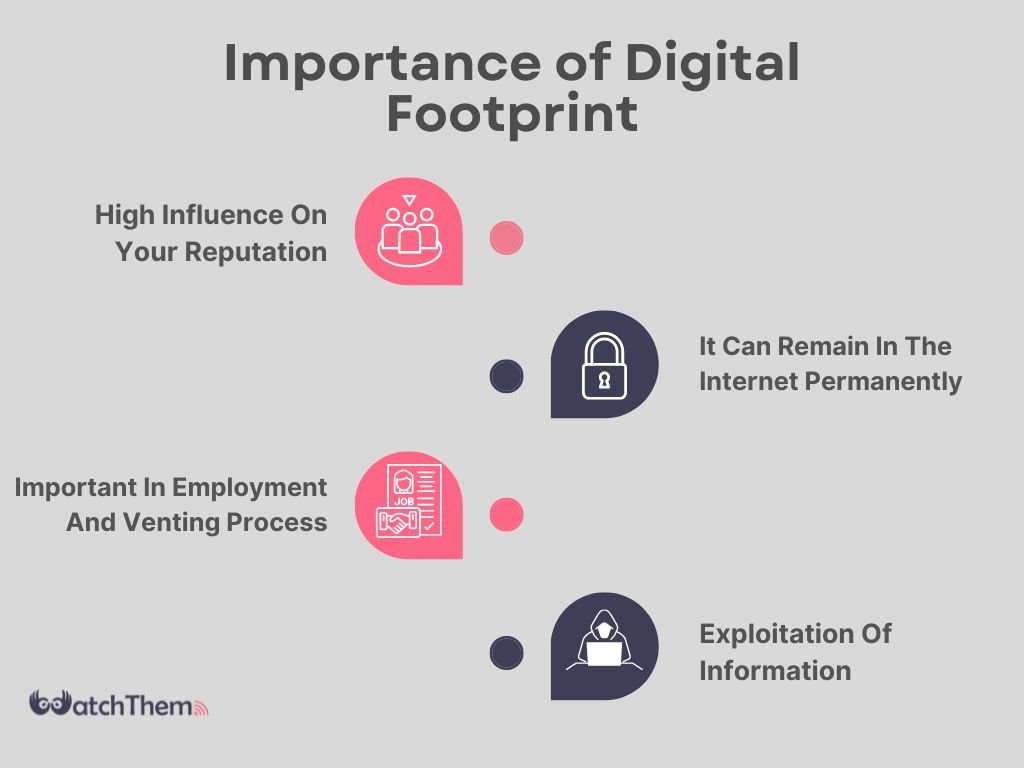
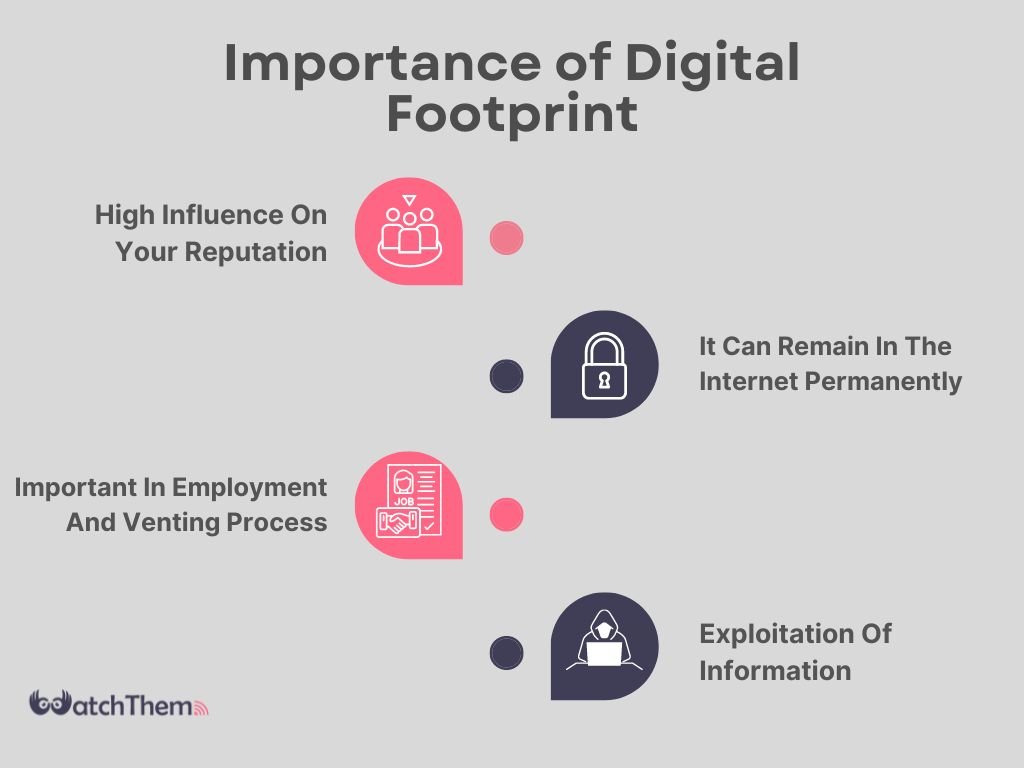
A digital footprint is the collection of information created through your online activities. It includes social media posts, website visits, online purchases, app usage, and many other interactions. Some people call it a digital shadow because it follows you across the internet. Every search, click, and login contributes to your online identity and shapes your digital reputation.
In 2026, digital footprints matter more than ever because advanced AI systems analyze large amounts of consumer data. Businesses use this information for marketing and personalization. However, the same information can increase digital exposure and create risks. Understanding why digital footprint is important helps people make smarter decisions about their online activities.
Digital Footprint Definition Explained
The simplest definition of a digital footprint is the record of information you create while using the internet. This information may include social media activity, email accounts, search records, online purchases, and interactions with websites.
Many people focus only on visible content. However, invisible data also matters. Information collected through browser tracking, website cookies, and internet tracking systems often reveals just as much about a person as public content does.
How Your Online Activities Create a Digital Footprint
Every online action contributes to your footprint. Posting on social media creates one type of record. Searching online creates another. Even opening a mobile application can generate valuable behavioral data.
Many users ask what information is included in a digital footprint. The answer includes browsing habits, search patterns, app activity, device information, purchase history, and location records collected through various platforms and services.
Why Digital Footprints Are Growing Faster Than Ever
The number of connected devices continues to grow. Smartphones, smart TVs, wearable devices, and voice assistants constantly generate information. These technologies increase the amount of personal information available online.
At the same time, AI tools process data faster than ever. Advanced systems analyze online behavior, identify patterns, and build detailed consumer profiles. This rapid expansion makes digital privacy a major concern for internet users across the United States.
Types of Digital Footprints: Active vs Passive Data Collection
Not all digital footprints are created in the same way. Some information comes directly from user actions. Other information is collected automatically through background systems and tracking technologies.
Understanding the difference between active and passive data helps people understand how companies gather information. It also helps answer questions like what is active digital footprint and what is passive digital footprint.
What Is an Active Digital Footprint?
An active digital footprint includes information that users intentionally share. Social media posts, blog comments, online reviews, and account registrations all fall into this category.
Whenever you upload a photo, submit a form, or leave feedback, you actively contribute to your digital record. These actions create visible information connected to your identity.
What Is a Passive Digital Footprint?
A passive digital footprint forms when information is collected automatically. Websites use tracking technologies to monitor activity without requiring direct user input.
Examples include IP address tracking, metadata collection, browsing behavior analysis, and cookie tracking. This information often helps businesses understand how users interact with digital platforms.
Real-Life Examples of Both Types
Common examples of digital footprints include social media posts, online reviews, email subscriptions, and account registrations. These are active examples because users choose to create them.
Passive examples include location tracking, search history monitoring, and behavioral analytics collected through websites and applications. Together, both forms create a detailed picture of online activity.
Digital Footprint Statistics for 2026: Key Facts and Trends
Recent research shows that the average internet user generates thousands of digital interactions every day. Each interaction contributes to a growing digital record that companies analyze and store.
The table below highlights major digital privacy trends expected in 2026.
| Category | 2026 Trend |
|---|---|
| Internet Users | Over 5.5 Billion Globally |
| Social Media Users | Over 5 Billion |
| Connected Devices | More Than 30 Billion |
| Data Breaches Reported Annually | Thousands Worldwide |
| AI-Based Profiling Usage | Rapid Growth |
These statistics show why understanding how to check your digital footprint and how to improve digital security has become increasingly important.
Hidden Risks of a Large Digital Footprint
A large digital footprint can expose users to several threats. Criminals often combine public information with stolen records from data breaches to launch targeted attacks.
Many people underestimate how hackers use your digital footprint. Public information can help attackers create convincing phishing messages, guess passwords, or impersonate victims online. This increases the importance of identity theft protection, stronger account security, and better privacy habits.
How Your Digital Footprint Is Collected Across the Internet
Most people think they only share information when they post online. The reality is very different. Modern websites, apps, and digital platforms collect information continuously. This process happens through automated systems that track activity in the background. Understanding how websites track users online helps users make smarter privacy decisions.
Today, companies use advanced data collection systems to monitor behavior across multiple platforms. These systems gather information from websites, mobile apps, search engines, and smart devices. The result is a detailed profile that reflects your interests, habits, and purchasing behavior.
Website Tracking Technologies
Every website you visit can collect information about your activity. Many platforms use website cookies, analytics tools, and behavioral monitoring software. These technologies record page visits, clicks, session duration, and navigation patterns.
Many users ask how cookies collect personal data. Cookies store information about user preferences and browsing sessions. Combined with browser tracking systems, they help businesses understand how visitors interact with websites and digital content.
Social Media Data Collection
Social networks gather large amounts of information every day. Likes, comments, shares, follows, and direct messages all contribute to your online footprint. Platforms use this information to improve engagement and deliver personalized experiences.
Social platforms also support social media privacy controls. However, users often share more information than they realize. Photos, videos, interests, and interactions help companies build detailed profiles that influence recommendations and advertising campaigns.
Mobile Apps and Location Tracking
Mobile applications often request access to contacts, cameras, microphones, and location services. While some permissions improve functionality, others collect information that extends beyond the app’s primary purpose.
Many users underestimate the impact of app permissions and location tracking. Fitness apps, navigation tools, and social platforms frequently collect movement patterns. This information becomes part of a larger profile used for personalization and analysis.
Search Engines and Browser Tracking
Search engines store large amounts of behavioral information. Every search contributes to your search history and helps create a detailed picture of your interests and intentions.
Many privacy advocates focus on internet tracking because it allows companies to monitor users across multiple websites. Combined with browsing history data, search records can reveal sensitive personal information about lifestyle, health, finances, and purchasing decisions.
How Companies, Advertisers, and Data Brokers Use Your Information
Personal information has become one of the most valuable resources in the digital economy. Businesses collect and analyze user information to improve products, target customers, and increase revenue.
Many consumers ask how companies use your online data. The answer involves marketing, personalization, product development, risk assessment, and predictive analytics. Every interaction contributes to broader consumer profiles.
Personalized Advertising Explained
Modern advertising relies heavily on user behavior data. Companies study browsing patterns, purchases, and interests to deliver highly relevant ads.
This process powers targeted advertising. Instead of showing random promotions, businesses display products and services that match specific interests. While this can improve user experience, it also raises concerns about online privacy and transparency.
Data Broker Networks and User Profiling
One of the least understood areas of digital privacy involves data brokers. These organizations collect information from public records, websites, apps, and third-party sources.
Many people want to know how to stop data brokers from collecting information. While complete prevention is difficult, users can submit removal requests and limit the amount of publicly available information connected to their identities.
Behavioral Tracking Across Multiple Websites
Advertising networks often monitor users across numerous websites. This process creates detailed behavioral profiles that reveal browsing habits and interests.
This type of online profiling allows advertisers to identify potential customers with remarkable accuracy. However, it also increases concerns about long-term digital exposure and personal privacy.
How AI Uses Consumer Data
Artificial intelligence has transformed data analysis. Modern AI systems process enormous amounts of consumer data and identify patterns that humans might miss.
These systems support recommendation engines, predictive marketing, fraud detection, and customer segmentation. While AI offers many benefits, it also increases concerns about transparency and privacy protection.
How to Reduce Your Digital Footprint and Protect Your Privacy
Reducing your digital footprint does not require leaving the internet. Instead, it involves making smarter choices about how information is shared and stored.
Many people search for how to reduce your digital footprint because they want better control over their information. Consistent privacy habits often produce the best long-term results.
Remove Unused Online Accounts
Old accounts often contain forgotten personal information. Many platforms continue storing user data long after accounts stop being used.
Learning how to remove old accounts from the internet can significantly reduce risk. Removing inactive accounts decreases the amount of information available to hackers and marketers.
Limit Social Media Sharing
Social media remains one of the largest sources of personal information online. Photos, updates, and comments can remain visible for years.
People interested in how to make social media private should regularly review privacy controls. Limiting public visibility helps reduce unwanted exposure and strengthens online reputation management.
Manage App Permissions
Many applications request access to features they do not truly need. Reviewing permissions regularly helps reduce unnecessary information sharing.
Users should limit access to location data, contacts, and microphones whenever possible. These simple adjustments improve personal data protection without affecting normal device usage.
Strengthen Browser Privacy Settings
Modern browsers include advanced privacy controls. These settings can reduce tracking and improve overall security.
People searching for how to stop online tracking often begin by disabling unnecessary cookies, blocking trackers, and using privacy-focused browsing tools.
Use VPNs and Privacy-Focused Search Engines
A virtual private network offers strong VPN protection by masking internet traffic and helping conceal browsing activity.
Privacy-focused search engines collect less information than traditional platforms. Together, these tools improve internet privacy and reduce unnecessary data collection.
Best Tools to Monitor and Protect Your Digital Footprint
Technology can help users maintain stronger privacy. The right tools reduce exposure and improve overall digital security.
Many experts recommend combining multiple solutions to create a stronger privacy strategy. This layered approach helps address different types of threats.
Privacy Browsers
Privacy-focused browsers block trackers and reduce data collection. They often include stronger protections than standard browsers.
These tools help users improve online security while limiting unwanted monitoring across websites.
Anti-Tracking Extensions
Anti-tracking software blocks advertising scripts and monitoring technologies before they collect information.
These solutions support privacy protection and reduce the effectiveness of many common tracking systems used across the web.
Password Managers
Strong passwords remain one of the most important security defenses. However, creating unique passwords for every account can be difficult.
A password manager solves this problem by generating and storing secure credentials. This improves account security while reducing the risk of credential theft.
Identity Monitoring Services
Identity monitoring services alert users when sensitive information appears in suspicious databases or breach records.
These solutions support identity theft protection and help users respond quickly when personal information becomes exposed.
Digital Footprint Protection for Children and Families
Children begin building a digital presence at an early age. Smartphones, educational platforms, gaming systems, and social networks all contribute to their digital records.
Protecting young users requires awareness, education, and consistent privacy practices. Strong habits developed early often continue into adulthood.
What Is Sharenting?
Many parents share photos and updates about their children online. This practice is often called sharenting risks because it can create permanent digital records before children can make their own privacy decisions.
Understanding these risks helps families balance social sharing with long-term privacy considerations.
Social Media Risks for Children
Young users often share information without fully understanding future consequences. Photos, comments, and personal details can remain accessible for years.
Improving child online privacy requires ongoing education and supervision. Families should discuss privacy settings and responsible online behavior regularly.
Family Privacy Best Practices
Strong privacy habits benefit every household member. Families should review privacy settings, secure devices, and limit unnecessary sharing.
A focus on family digital safety helps reduce exposure while teaching children responsible technology use.
Building Healthy Digital Habits
Privacy awareness should become part of everyday life. Small habits often produce the greatest long-term benefits.
Teaching children online safety tips and responsible sharing practices helps create a healthier relationship with technology and personal information.
Future of Digital Privacy: AI, Tracking Technology, and Online Security
The future of digital privacy will look very different from what we see today. Artificial intelligence is becoming more powerful every year. Companies now process massive amounts of user information within seconds. As technology evolves, protecting personal data will become even more important.
Many experts believe that privacy protection will become one of the biggest challenges of the next decade. Businesses, governments, and consumers will need stronger safeguards to balance innovation with personal freedom. Understanding future trends today can help people prepare for tomorrow.
AI and Predictive Profiling
Artificial intelligence can identify patterns hidden inside huge datasets. These systems analyze behavior, interests, purchases, and interactions to predict future actions.
Many privacy advocates worry about predictive profiling because it allows organizations to make decisions based on assumptions. Understanding how to prevent online profiling will become increasingly important as AI systems become more advanced and widely adopted.
Cookie-Free Tracking Technologies
Traditional cookies are slowly becoming less important. Technology companies are developing new ways to monitor behavior without relying on standard tracking methods.
Advanced fingerprinting systems, behavioral analytics, and device recognition tools may replace many existing tracking technologies. This shift means users must pay closer attention to privacy settings and evolving privacy regulations.
Privacy Laws and Regulations in 2026
Governments continue introducing stronger privacy laws to protect consumers. New regulations focus on transparency, consent, and responsible data handling practices.
Many organizations now face stricter requirements regarding personal data protection and consumer rights. These laws help individuals gain more control over how their information is collected, stored, and shared.
What Digital Footprints May Look Like by 2030
By 2030, digital footprints could become even more detailed. Smart homes, wearable devices, connected vehicles, and AI assistants will generate enormous amounts of information.
Experts expect connected devices to create continuous streams of data. This growth will make privacy management more important than ever. People who actively manage their digital presence today will likely have greater control over their future online identities.
Conclusion: Take Control of Your Digital Footprint Before Others Do
Your digital footprint represents far more than a collection of online activities. It reflects your interests, habits, preferences, and behaviors. Every search, purchase, social media interaction, and website visit contributes to a larger digital profile.
The good news is that you have more control than you may realize. Learning how to protect your privacy online, limiting unnecessary sharing, improving security settings, and using trusted privacy tools can dramatically reduce risk. Small actions taken consistently often produce the greatest long-term benefits.
As AI systems, tracking technologies, and data collection methods continue to evolve, privacy awareness becomes a valuable skill. The sooner you start managing your digital footprint, the easier it becomes to protect your information, reputation, and future opportunities.
Key Takeaways
A digital footprint includes all information generated through online activity. Both active and passive data contribute to your overall digital profile. Social media activity, browsing habits, mobile apps, and connected devices continuously create new information.
Strong privacy practices help reduce exposure. Reviewing privacy settings, using secure passwords, enabling multi-factor authentication, and maintaining awareness of data-sharing habits all support stronger privacy protection.
Practical Next Steps for Better Privacy
Start by conducting a personal privacy audit. Learn how to check your digital footprint by searching your name, usernames, and email addresses online. Review what information appears publicly.
Next, focus on how to secure personal data online by updating passwords, removing inactive accounts, and enabling stronger authentication methods. Consider using privacy-focused tools and monitoring services to strengthen protection.
Finally, make privacy management a regular habit. The most effective way to protect online privacy is through consistent action rather than one-time cleanup efforts.
Conclusion
Your digital footprint grows every time you browse the web, use social media, shop online, or interact with digital services. While technology makes life easier, it also increases digital exposure and creates new privacy risks. Understanding what is a digital footprint, how information is collected, and how companies use your data helps you make smarter decisions online.
The good news is that you can take control of your privacy. Simple actions such as updating privacy settings, limiting personal information sharing, using VPN protection, enabling multi-factor authentication, and choosing reliable privacy tools can significantly improve your online privacy and online security. As AI, tracking technologies, and data collection continue to evolve, learning how to protect your digital footprint and reduce digital footprint risks will become even more important. Start today and take proactive steps to protect online privacy, strengthen personal data protection, and secure your digital future.
FAQ’S
1. Which of the following statements about data protection is true?
Data protection means keeping personal information safe from misuse, theft, and unauthorized access using security tools and privacy practices.
2. Does your digital footprint include information that others post about you online? True or False?
True. Your digital footprint includes both what you post and what others share or tag about you online.
3. Which is an example of online tracking?
Online tracking includes websites using cookies to monitor your browsing behavior and show personalized ads.
4. What is an example of data tracking?
An example of data tracking is apps collecting your location history or websites recording your search activity.
5. What are the 4 types of data analytics?
The four types are descriptive, diagnostic, predictive, and prescriptive analytics, used to understand data and guide decisions.
Meta Description
Get complete insights on Digital Footprint Statistics 2026: Complete Guide to Protecting Your Online Privacy and secure your digital life.
3 Comments